24/7 Support : info@razorse.com | WhatsApp : +91-7011221090

Understanding CRM: Your Blueprint for Customer-Centric Growth

Customer relationships are the bedrock of success in today’s hyper-competitive business landscape. It’s no longer enough to simply sell a product or service; businesses must cultivate lasting connections, understand individual needs, and deliver exceptional experiences. This is where Customer Relationship Management (CRM) comes in – a strategic approach and a powerful technological solution designed to optimize every customer interaction.

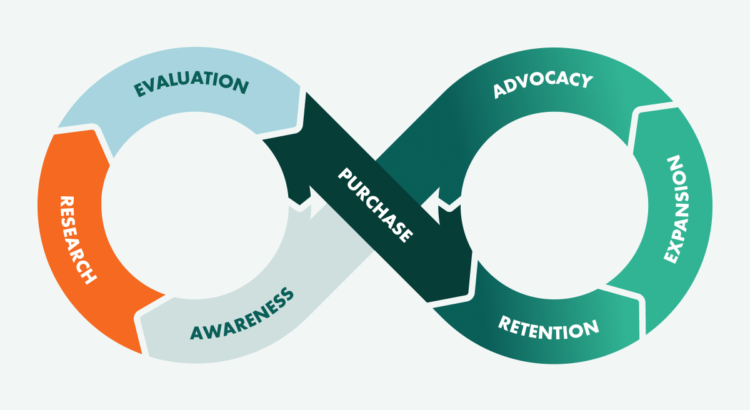
At its core, CRM is about putting the customer at the heart of your operations. It’s a unified system that helps businesses manage and analyze customer interactions and data throughout the customer lifecycle, with the goal of improving business relationships with customers, assisting in customer retention, and driving sales growth.

Key Types of CRM: Finding Your Perfect Fit

While the overarching goal of CRM remains consistent, different types of systems cater to specific business needs:

  • Operational CRM: This is the most common type, focusing on automating and streamlining customer-facing processes. Think of it as the engine for your day-to-day customer interactions.
    • Sales Automation: Manages leads, tracks sales opportunities, automates tasks like sending follow-up emails, and helps sales teams prioritize and close deals more efficiently.
    • Marketing Automation: Facilitates targeted campaigns, lead nurturing, and customer segmentation based on behaviors and preferences. It automates email marketing, social media campaigns, and lead scoring.
    • Service Automation: Improves customer support through features like ticketing systems, live chat, knowledge bases, and automated responses, ensuring quick and effective issue resolution.
  • Analytical CRM: As the name suggests, this type of CRM is all about data. It collects, processes, and analyzes customer data to gain insights into customer behavior, preferences, and trends.
    • Data Warehousing & Mining: Gathers data from various sources (sales, marketing, service) and uses techniques like data mining to extract valuable insights, identify patterns, and predict future customer actions.
    • Reporting & Analytics: Provides dashboards and reports that visualize key metrics, allowing businesses to understand customer lifetime value, assess campaign effectiveness, and make data-driven decisions.
  • Collaborative CRM: This type of CRM focuses on improving communication and collaboration across different departments within a company to provide a unified customer experience.
    • Interaction Management: Offers a shared view of customer interactions and histories, allowing sales, marketing, and customer service teams to work cohesively and provide consistent service, regardless of who interacts with the customer.
    • Channel Management: Manages communication channels (email, phone, social media, chat) to ensure a seamless and optimized customer journey across all touchpoints.

The Unmistakable Benefits of CRM

Implementing a robust CRM system brings a multitude of advantages that directly impact your bottom line and customer satisfaction:

  • Enhanced Customer Understanding: A CRM provides a 360-degree view of each customer, centralizing all interactions, preferences, purchase history, and support issues. This allows for truly personalized communication and service.
  • Increased Sales and Revenue: By automating sales processes, identifying high-potential leads, and enabling targeted marketing, CRM helps sales teams be more productive and close deals faster. It also supports upselling and cross-selling opportunities.
  • Improved Customer Service: With immediate access to customer data, support teams can resolve issues more quickly, offer proactive assistance, and deliver consistent, high-quality service, leading to greater customer satisfaction and loyalty.
  • Higher Productivity and Efficiency: Automation of repetitive tasks (data entry, email follow-ups, reporting) frees up your teams to focus on strategic activities that require human insight and creativity.
  • Better Data Management and Insights: CRM systems organize and centralize vast amounts of customer data, making it accessible, understandable, and actionable. Powerful analytics tools provide insights that inform business strategies.
  • Streamlined Collaboration: By breaking down departmental silos and enabling shared access to customer information, CRM fosters better internal communication and teamwork, leading to more cohesive customer experiences.
  • Scalability for Growth: A well-chosen CRM system can grow with your business, adapting to increasing customer bases and evolving operational needs without significant overhauls.

The Future of CRM: Innovation on the Horizon

The CRM landscape is constantly evolving, driven by technological advancements and a growing emphasis on hyper-personalization. Here’s what’s shaping the future:

  • AI and Machine Learning Integration: AI is transforming CRM from simple automation to intelligent decision-making. AI-powered CRMs will offer predictive analytics (forecasting customer behavior and churn), sentiment analysis, intelligent lead scoring, and hyper-personalized recommendations, leading to truly proactive customer engagement.
  • Omnichannel Customer Engagement: As customers interact across more channels (social media, apps, chatbots, voice assistants), CRM will provide even more seamless and unified experiences, ensuring consistency and continuity regardless of the touchpoint.
  • Low-Code/No-Code Platforms: These platforms are democratizing CRM customization, allowing businesses to tailor their systems to unique needs without extensive coding knowledge, accelerating deployment and adaptation.
  • Mobile-First CRM: With the rise of remote work and on-the-go access, mobile CRM solutions will become even more robust, offering full functionality and real-time data access from any device.
  • Integration with IoT: The Internet of Things (IoT) will further enhance CRM by enabling data collection from connected devices, offering insights into product usage and allowing for proactive service and support.
  • Enhanced Data Security and Privacy: As data regulations tighten, future CRMs will prioritize advanced encryption, robust user consent management, and compliance with global privacy standards, ensuring customer data is secure and protected.

Partnering for Success

Choosing the right CRM for your business is a strategic decision that requires careful consideration of your unique needs and goals. At Razorse software, we understand the complexities of CRM implementation and are dedicated to helping businesses leverage this powerful technology for sustainable growth. By understanding the types, benefits, and future trends of CRM, you’re well on your way to building stronger customer relationships and achieving unparalleled success.

#CRM #CustomerRelationshipManagement #CRMTypes #CRMBenefits #FutureofCRM #AIinCRM #DigitalTransformation #BusinessGrowth #CustomerCentric #RazorseSoftware

Why Mobile Apps Are Essential for Real Estate Businesses!

In today’s hyper-connected world, the real estate sector has undergone a revolutionary transformation. Gone are the days when people relied solely on newspaper ads or brokers to find their dream property. With smartphones becoming an inseparable part of our lives, mobile apps are now reshaping how real estate businesses operate, engage customers, and close deals. If you’re in the real estate industry and still wondering whether to invest in a mobile app – the answer is a resounding yes.

Here’s why mobile apps have become an absolute essential for real estate businesses.

1. On-the-Go Accessibility for Customers

Mobile apps make property searching incredibly easy for buyers and tenants. With just a few taps, users can view property listings, explore images, check prices, and even schedule visits. The convenience of accessing real estate information anytime, anywhere builds a stronger connection with potential buyers and boosts engagement levels significantly.

A well-designed app allows customers to explore options at their own pace, compare different properties, and make informed decisions – all while sipping their coffee or during their commute.

2. Faster and Direct Communication

A mobile app acts as a direct bridge between real estate businesses and clients. Features like instant chat, call-back options, inquiry forms, and push notifications help maintain a seamless flow of communication.

By providing real-time responses to queries and updates, real estate agents can build trust, enhance customer satisfaction, and dramatically cut down the lead conversion time.

3. Better Property Showcasing with Multimedia

Unlike traditional websites or printed brochures, mobile apps offer a more dynamic and interactive property viewing experience. High-definition images, virtual tours, 360-degree videos, and AR/VR integrations can truly bring a property to life.

This immersive showcasing increases user engagement and helps customers better visualize themselves in the space, which positively impacts their buying decision.

4. Push Notifications to Boost Engagement

One of the most powerful features of mobile apps is push notifications. Real estate businesses can send alerts about new listings, price drops, special offers, or open house events directly to the user’s phone.

These personalized updates keep your brand top-of-mind and prompt quicker actions from prospects. It’s a simple yet highly effective tool to drive sales and stay connected without being intrusive.

5. Improved Lead Generation and Management

A mobile app can capture valuable user data like preferences, location, and browsing behavior. By integrating CRM systems with your app, real estate companies can manage and nurture leads more efficiently.

This data-driven approach helps you segment your audience better, offer personalized property suggestions, and move leads faster down the sales funnel.

6. Brand Credibility and Market Competitiveness

Having a sleek, professional mobile app not only boosts your business operations but also elevates your brand image. It signals that your company is modern, customer-focused, and serious about providing a smooth buying experience.

In a competitive real estate market, an intuitive mobile app can be a game-changer, setting you apart from rivals who are still relying solely on traditional methods.

7. Easy Document Handling and Digital Signatures

Real estate transactions involve a lot of paperwork – agreements, ownership documents, leases, disclosures, etc. A mobile app can simplify this by allowing users to view, download, and electronically sign documents.

Digitizing the documentation process reduces turnaround time, eliminates errors, and provides a much more convenient and secure way for clients to finalize deals.

8. Smart Integrations for Enhanced User Experience

Real estate apps today come equipped with smart features like mortgage calculators, EMI estimators, location maps, neighborhood analytics, and property comparison tools.

These integrations not only add value but also help users make well-informed decisions without ever needing to switch to another app or website. Offering these utilities in one place significantly increases app stickiness and loyalty.

9. Data Analytics for Strategic Decision Making

Mobile apps offer real estate businesses a goldmine of data. You can track user behavior, popular search locations, most viewed properties, and app engagement metrics.

Analyzing this data enables businesses to fine-tune their marketing strategies, optimize property listings, forecast market trends, and ultimately make smarter business decisions.

Final Thoughts

In an increasingly digital-first real estate landscape, having a mobile app is no longer just a nice-to-have – it’s a must-have. It streamlines customer interaction, enhances property showcasing, accelerates deal closures, and positions your brand as a leader in the market.

At Razorse Software, we specialize in crafting high-performing mobile apps tailored for real estate businesses. Whether you want a user-friendly app for property listing, virtual tours, lead generation, or document management – we’ve got you covered.

Invest in a mobile app today and watch your real estate business reach new heights tomorrow.

📱 Need a mobile app for your real estate business?

Get in touch with Razorse Software today!

#RealEstateApps #MobileAppDevelopment #RealEstateBusiness #PropTech #PropertyListingApp #MobileAppsForRealEstate #RazorseSoftware #RealEstateMarketing #CustomerEngagement #AppDevelopment #RealEstateTech #BusinessGrowth #PropertyManagementApps

How to Boost Your App Downloads with ASO (App Store Optimization)

In today’s overcrowded app market, creating a great app is only half the battle. The real challenge lies in getting people to discover and download it. This is where App Store Optimization (ASO) becomes essential. Much like SEO for websites, ASO ensures your app ranks higher in app store search results, leading to more visibility and downloads.

Here’s why ASO is a must-have in your mobile growth strategy:

  • 🔍 Most app discovery happens through search: Around 70% of mobile users find apps via app store search bars.
  • 📈 Higher rankings mean higher downloads: Apps that rank in the top 5 get the lion’s share of traffic.
  • 💰 It’s cost-effective: Unlike paid advertising, ASO boosts organic downloads without constantly burning your budget.
  • 🎯 Target the right audience: A well-optimized app draws users who are genuinely interested in your offering.
  • 📊 Improves user retention: ASO aligns your app with the expectations of potential users, reducing uninstall rates.

A successful ASO strategy hinges on a few core elements. Your app’s title should be catchy yet keyword-rich. Keywords are the foundation of ASO – they help the app store algorithm understand what your app does and who it’s for. Be sure to include relevant keywords in the app title and subtitle (on iOS) or short description (on Android). Equally important is writing a clear and compelling description. The first few lines should quickly communicate the app’s purpose and benefits, as this is what users will see first. Avoid technical jargon; focus on how the app solves a problem or adds value.

Visual appeal plays a major role as well. Your app icon is the first thing a user notices, so it needs to be polished, professional, and memorable. The same goes for your screenshots and promotional video – highlight the key features and show users exactly what they can expect. A/B testing different versions of your visuals can also help you determine what drives more installs.

Reviews and ratings are crucial trust signals for users and ranking factors for app stores. Encourage your users to leave positive reviews, and take the time to respond to feedback, especially the negative ones. This not only improves your reputation but also shows that you’re actively working on updates and improvements. An app with frequent updates is viewed more favourably by app store algorithms and users alike.

Another often overlooked aspect is localization. If your app has a global audience or even just users across different regions in India, translating your app store listing into other languages can significantly improve downloads. Localized keywords, descriptions, and screenshots make your app feel more relevant to non-English speakers, thereby increasing its reach.

ASO: The Evergreen Engine Behind Sustainable App Growth

ASO is not just about optimizing once and forgetting it. The mobile ecosystem evolves constantly, and so do user behaviors and app store algorithms. You should regularly monitor your ASO performance using tools like AppTweak, Sensor Tower, or even Google Play Console. Keep a close eye on metrics like click-through rate (CTR), conversion rate, and keyword rankings. These numbers will guide your strategy and highlight areas that need improvement.

What sets ASO apart from other marketing tactics is its long-term value. While paid advertising gives you short-term visibility, ASO keeps working in the background to bring consistent organic traffic. It becomes especially powerful when combined with other strategies like social media promotion, influencer marketing, or performance ads. Think of ASO as the foundation – it makes every other marketing dollar work harder.

Final Thoughts

In a competitive digital world, standing out in the app store isn’t easy – but with ASO, it’s absolutely possible. A thoughtful, data-driven approach to ASO helps your app reach the right users, improve conversion rates, and build lasting credibility. App Store Optimization is not just a growth hack – it’s a foundation. A solid ASO strategy makes your app easier to find, more appealing to click on, and more likely to get installed. It builds long-term visibility and sets the stage for sustainable growth.

At Razorse Software, we don’t just build apps – we help you make them successful. From optimized app listings to smart keyword strategies, we help our clients harness the power of ASO to drive growth and downloads.

#AppStoreOptimization #ASO #MobileAppMarketing #RazorseSoftware #AppGrowth #AppDownloads #DigitalSuccess #AppPromotion #OrganicMarketing

Why a Mobile E-Commerce App is Essential for Your Business

In today’s fast-paced digital world, consumers are more inclined to shop online than ever before. The convenience of browsing, selecting, and purchasing products from the palm of their hands has transformed the way businesses operate. While having a responsive website is crucial, a dedicated mobile e-commerce app takes customer experience to the next level. It offers speed, accessibility, and personalization that a website alone cannot achieve. If you want to stay competitive and maximize your business potential, investing in a mobile e-commerce app is no longer optional—it’s essential.

One of the biggest advantages of a mobile app is the seamless user experience it provides. Unlike mobile websites, which often depend on browser performance and internet speed, apps are built for smooth navigation and faster load times. Customers can quickly browse through products, save items in their cart, and complete purchases without facing lag or disruptions. Moreover, apps can function offline to some extent, allowing users to access certain features without an active internet connection. This level of convenience enhances customer satisfaction, leading to increased sales and brand loyalty.

Another key benefit of a mobile e-commerce app is its ability to offer personalized shopping experiences. With access to user data such as browsing history, preferences, and purchase behavior, businesses can curate product recommendations tailored to individual customers. Push notifications play a vital role in keeping users engaged by sending alerts about discounts, new arrivals, and special promotions. This direct line of communication helps businesses stay connected with their customers, increasing the likelihood of repeat purchases. Unlike emails or social media ads, which can be easily ignored, app notifications create a more immediate and engaging interaction with the audience. Security and trust are also major factors influencing online shopping behavior. A well-developed e-commerce app with secure payment gateways reassures customers that their transactions are safe. Features like biometric authentication (fingerprint or face recognition) further enhance security, making the checkout process faster and more reliable. Many consumers are wary of entering card details repeatedly on websites, but an app allows for securely stored payment methods, reducing friction during transactions. This convenience encourages customers to complete purchases without hesitation.

A mobile app also provides businesses with a competitive edge by fostering brand visibility and loyalty. Once installed, the app icon remains on the user’s device, serving as a constant reminder of the brand. This presence increases the chances of repeat visits and purchases. Additionally, loyalty programs integrated within the app—such as reward points, exclusive member discounts, or early access to sales—help retain customers and encourage them to shop more frequently. Unlike a website, which requires customers to open a browser and search for your store, an app is just one tap away, making the shopping journey effortless. For businesses looking to scale, a mobile e-commerce app offers valuable insights into customer behavior and preferences. Advanced analytics tools can track user engagement, purchase patterns, and popular products, helping businesses make data-driven decisions. Understanding what works and what doesn’t allows companies to optimize their marketing strategies and improve their product offerings. The ability to adapt quickly to customer demands ensures long-term success in an increasingly competitive market.

Additionally, mobile apps provide an opportunity for businesses to integrate emerging technologies such as augmented reality (AR) and artificial intelligence (AI) to enhance the shopping experience. AR allows customers to visualize products before purchasing, such as trying on clothes or placing furniture in their homes virtually. AI-powered chatbots improve customer service by offering instant responses and personalized assistance. Such innovations set brands apart and create a more immersive and interactive shopping experience.

Incorporating a mobile e-commerce app into your business strategy is not just about keeping up with trends—it’s about creating a superior shopping experience that meets modern consumer expectations. With the right features, such as seamless navigation, personalized recommendations, secure payments, and loyalty programs, an app can drive sales and enhance customer satisfaction. In an era where convenience and speed define purchasing decisions, businesses that prioritize mobile apps are the ones that will thrive.

Take Your Business to the Next Level with Razorse Software
At Razorse Software, we specialize in developing high-performance mobile e-commerce apps that transform businesses. Whether you’re a startup or an established brand, our team ensures a seamless, secure, and engaging shopping experience for your customers. Let’s build the perfect app for your business – #EcommerceSolutions #MobileAppDevelopment #RazorseSoftware #DigitalGrowth #FutureOfShopping.

The Role of Performance Marketing in eCommerce Website Success

In the highly competitive world of eCommerce, where countless businesses vie for consumer attention, traditional marketing strategies alone are no longer sufficient. Performance marketing has emerged as a game-changer, providing eCommerce businesses with measurable results and a clear return on investment (ROI). But what exactly is performance marketing, and how can it drive the success of an eCommerce website? This write-up explores its critical role and why it’s a must-have strategy for online retailers.

What is Performance Marketing?

Performance marketing is a digital marketing strategy where advertisers pay for specific actions such as clicks, leads, or sales rather than for mere ad impressions. Unlike traditional advertising, performance marketing is data-driven, trackable, and focused on outcomes, making it ideal for eCommerce businesses.

With platforms like Google Ads, Facebook Ads, and affiliate marketing programs, performance marketing enables businesses to allocate budgets effectively and gain insights into what drives customer engagement. The data-centric approach ensures continuous optimization, helping businesses scale their efforts based on real-time performance metrics.

Key Components of Performance Marketing for eCommerce

To fully understand its role, let’s break down the main components of performance marketing that are vital to eCommerce success:

  1. Search Engine Marketing (SEM):
    SEM focuses on paid ads that appear on search engine results pages (SERPs). For eCommerce websites, this is crucial because it allows businesses to target users actively searching for their products or services. Tools like Google Ads help refine campaigns with keywords, bidding strategies, and location targeting to maximize conversion rates.
  2. Social Media Advertising:
    Social media platforms like Facebook, Instagram, and TikTok offer unparalleled opportunities to reach a broad audience. Performance marketing on these platforms involves running highly targeted campaigns that use audience demographics, interests, and behaviors to deliver personalized messages and drive sales.
  3. Affiliate Marketing:
    Affiliate marketing leverages partnerships with influencers or third-party websites to promote your products. Affiliates earn a commission based on performance metrics like clicks, sales, or leads. This cost-effective model expands your reach without the need for upfront advertising costs.
  4. Retargeting and Remarketing:
    Retargeting uses cookies to re-engage users who have visited your eCommerce website but left without completing a purchase. Through performance marketing, dynamic retargeting ads can display personalized product suggestions, nudging users to return and complete their transactions.
  5. Email Marketing and Automation:
    While often overlooked, email marketing remains a cornerstone of performance marketing. By integrating email campaigns with automation tools, businesses can nurture leads, announce sales, and encourage repeat purchases, all while tracking performance metrics like open rates and click-through rates.

Why Performance Marketing is Essential for eCommerce Success

  1. Measurable ROI:
    One of the greatest advantages of performance marketing is its measurability. With tools like Google Analytics, Facebook Ads Manager, and HubSpot, businesses can track every campaign’s success in real-time. This level of transparency allows for budget adjustments and ensures every dollar spent delivers results.
  2. Targeted Reach:
    Unlike blanket advertising, performance marketing ensures that ads reach the right audience at the right time. For eCommerce websites, this means showcasing products to consumers already interested in buying, increasing the likelihood of conversions.
  3. Cost-Effectiveness:
    Performance marketing ensures you pay only for actions that matter, such as clicks or purchases. This model reduces wastage and maximizes the impact of your advertising budget, especially important for small and medium-sized eCommerce businesses.
  4. Enhanced Customer Insights:
    Performance marketing campaigns generate valuable data about consumer behavior, preferences, and buying patterns. These insights enable eCommerce businesses to optimize their websites, improve product offerings, and design better customer experiences.
  5. Scalability and Flexibility:
    Whether you’re launching a new product or entering a new market, performance marketing can be scaled quickly to match your goals. Its flexibility allows for real-time adjustments, ensuring that campaigns remain effective even as market dynamics shift.

Real-World Impact of Performance Marketing

Take the example of an online fashion retailer. By using Google Ads for targeted keywords like “affordable evening wear,” the retailer attracts high-intent customers. Simultaneously, the brand uses Facebook retargeting ads to re-engage users who browsed but didn’t purchase. With performance marketing tools, they track which campaigns drive the most revenue and allocate resources accordingly.

Over a six-month period, the retailer not only sees a 50% increase in sales but also reduces its customer acquisition cost (CAC) by 20%. This tangible success underscores the importance of performance marketing in driving eCommerce growth.

Challenges and How to Overcome Them

While performance marketing offers numerous advantages, it’s not without its challenges. Issues like ad fatigue, rising costs, and algorithm changes can affect campaign performance. To address these, eCommerce businesses must:

  • Continuously test and optimize campaigns.
  • Diversify advertising channels to mitigate risks.
  • Stay updated on platform policies and best practices.

Partnering with an experienced performance marketing agency can also help navigate these complexities.

The Razorse Software Advantage

Performance marketing is not just a strategy; it’s a necessity for any eCommerce website aiming for long-term success. At Razorse Software, we specialize in leveraging performance marketing to drive tangible results for your business. Our expertise in creating data-driven campaigns, combined with cutting-edge tools, ensures your eCommerce platform achieves its full potential.

Whether you’re a startup or an established online retailer, let us help you design a tailored performance marketing strategy that delivers measurable success.

#PerformanceMarketing #eCommerceSuccess #DigitalMarketing #RazorseSoftware #MarketingStrategy

How-AI-is-Transforming-Food-Businesses-Through-Automation

How AI is Transforming Food Businesses Through Automation!

The food industry, traditionally reliant on manual labour and conventional processes, is undergoing a significant transformation, thanks to Artificial Intelligence (AI). From improving supply chain efficiency to enhancing customer experiences, AI is playing a pivotal role in automating various aspects of the food business. In this article, we will explore how AI transforming food industry, bringing about improvements in productivity, quality, and sustainability.

1. Supply Chain Optimization

AI is revolutionizing supply chain management in the food industry by predicting demand, managing inventory, and reducing waste. Machine learning algorithms analyse historical data, market trends, and external factors like weather patterns to accurately forecast demand. This allows businesses to optimize their procurement processes, ensuring that they have the right amount of stock at the right time.

For example, AI-powered systems can automatically adjust inventory levels based on real-time sales data, reducing the likelihood of overstocking or stockouts. This not only cuts down on waste but also minimizes costs associated with storage and spoilage. Moreover, AI can optimize logistics by predicting the most efficient delivery routes, saving time and reducing fuel consumption.

2. Food Safety and Quality Control

Ensuring food safety and maintaining high-quality standards are paramount in the food industry. AI is making significant strides in this area by automating quality control processes and enhancing food safety measures.

AI-powered inspection systems use computer vision technology to detect defects, contamination, or inconsistencies in food products. These systems are capable of analysing thousands of images per minute, far surpassing the speed and accuracy of human inspectors. This level of precision ensures that only products meeting the highest standards reach consumers, reducing the risk of recalls and enhancing brand reputation.

In addition to quality control, AI-driven sensors and monitoring systems are being used to track food safety in real time. These systems can detect changes in temperature, humidity, and other environmental factors that could compromise food safety during production, storage, or transportation. By identifying potential hazards early, AI helps prevent foodborne illnesses and ensures compliance with regulatory standards.

ALSO READ:- Artificial Intelligence is Transforming the Information Technology Industry

3. Personalized Customer Experiences

AI is also transforming the way food businesses interact with customers by enabling personalized experiences. Through the use of AI-driven analytics, businesses can gain insights into customer preferences, purchasing habits, and dietary needs. This information allows them to tailor their offerings, marketing strategies, and customer service to meet individual needs.

For example, AI-powered recommendation engines analyse customer data to suggest products or menu items based on past purchases and preferences. This not only enhances the customer experience but also increases sales by encouraging repeat purchases. Moreover, AI chatbots are being used to provide personalized customer support, answering queries, and processing orders efficiently, 24/7.

In the restaurant industry, AI is being used to customize menus and create unique dining experiences. AI-driven platforms can analyse customer reviews and social media feedback to identify trends and preferences, helping chefs and restaurant owners design menus that resonate with their target audience. This level of personalization can lead to increased customer satisfaction and loyalty.

4. Automated Food Preparation

Automation in food preparation is another area where AI is making a significant impact. From fast food chains to gourmet restaurants, AI-powered robots and machines are being used to automate tasks such as chopping, mixing, cooking, and even plating dishes.

For instance, Robotic chefs cooking with precision and consistency, ensuring that every dish meets the exact specifications. These robots can work tirelessly around the clock, increasing productivity and reducing the reliance on human labour. Additionally, they can be programmed to follow specific recipes, allowing for the consistent replication of popular dishes across multiple locations.

In fast food chains, AI-powered kiosks and automated cooking machines are speeding up the order fulfilment process. Customers can place orders via AI-driven kiosks that offer personalized menu suggestions based on their preferences and dietary restrictions. The orders are then prepared by automated machines, ensuring speed, accuracy, and consistency.

5. Sustainability and Waste Reduction

Sustainability is a growing concern in the food industry, and AI is playing a crucial role in addressing this challenge. By optimizing supply chains, improving inventory management, and reducing food waste, AI-driven automation contributes to more sustainable food practices.

AI-powered tools can analyse data to identify patterns of waste in the production process and suggest ways to minimize it. For example, AI can predict the shelf life of perishable goods, allowing businesses to prioritize the sale or donation of products that are nearing expiration. This not only reduces waste but also maximizes profits.

6. Innovation in Food Product Development

AI is also driving innovation in food product development by enabling the creation of new recipes, flavours, and products. AI algorithms can analyse vast amounts of data on ingredients, consumer preferences, and nutritional content to generate novel combinations and recipes.

For instance, AI-powered platforms can suggest ingredient substitutions to create healthier or more sustainable versions of existing products. They can also predict the success of new products based on market trends and consumer behaviour, reducing the risk associated with launching new items.

In addition, AI-driven tools are being used to develop plant-based and alternative protein products that cater to the growing demand for sustainable and ethical food options. By analysing consumer data and scientific research, AI can help create products that meet the nutritional needs and taste preferences of diverse consumer segments.

Conclusion

AI revolutionizing food industry by enhancing efficiency, quality, and sustainability across various processes. From optimizing supply chains and improving food safety to personalizing customer experiences and driving innovation, AI is transforming how food businesses operate. As AI continues to revolutionize the food industry, Razorse Software is at the forefront of delivering cutting-edge solutions that empower businesses to harness the full potential of automation, driving growth, efficiency, and customer satisfaction.