24/7 Support : info@razorse.com | WhatsApp : +91-7011221090

Mean Stack for Web Development Project

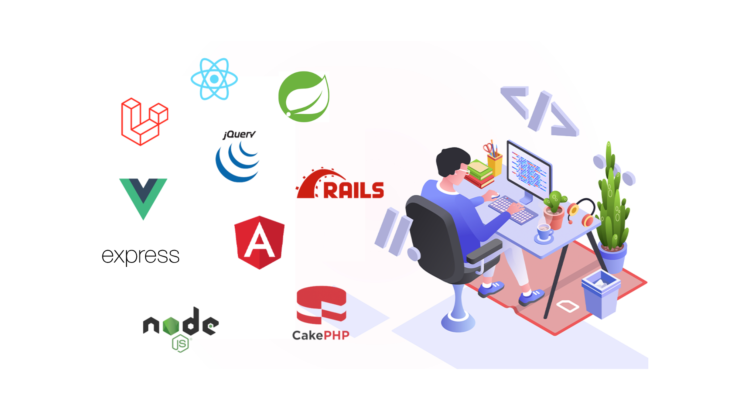
In the fast-paced world of web development, delivering robust and efficient applications is paramount to success. MEAN Stack, an acronym for MongoDB, Express.js, AngularJS, and Node.js, emerges as a popular choice among developers due to its versatility, flexibility, and ease of use. Following are the advantages it brings to web development projects.

MongoDB – The Non-Relational Database

At the core of MEAN Stack lies MongoDB, a NoSQL database that stores data in a flexible and scalable JSON-like format. Its schema-less architecture allows developers to adapt and modify data structures on the fly, making it ideal for agile development projects. MongoDB’s horizontal scaling capabilities ensure seamless handling of large datasets and real-time data processing, crucial for modern web applications.

Express.js – Simplified Web Application Framework

Express.js, a lightweight and flexible web application framework, complements MongoDB by providing a seamless connection between the frontend and backend. With its robust middleware system, developers can easily handle HTTP requests, manage routes, and process data. Express.js accelerates development by streamlining the creation of RESTful APIs and ensuring efficient communication between different application layers.

AngularJS – Frontend Powerhouse

AngularJS, the front-end JavaScript framework, empowers developers to build dynamic and interactive user interfaces. Its two-way data binding and modular structure facilitate the creation of responsive, single-page applications (SPAs). By offering declarative templates and dependency injection, AngularJS simplifies code maintenance, enhances testability, and improves the overall user experience.

Node.js – Scalable and High-Performing Backend

Node.js, an event-driven, server-side JavaScript runtime, completes the MEAN Stack by serving as the backend platform. Its non-blocking I/O operations enable high concurrency, ensuring optimal performance even under heavy user loads. Node.js facilitates real-time data exchange through WebSockets, making it an excellent choice for chat applications, gaming platforms, and collaborative tools.

Advantages of MEAN Stack

a. Full-stack JavaScript: MEAN Stack’s unified JavaScript language for both frontend and backend development allows developers to seamlessly switch between components, streamlining the development process.

b. Rapid Prototyping: The combination of MongoDB’s schema flexibility, Express.js’s middleware, and AngularJS’s data binding makes it easier to rapidly prototype and iterate web applications.

c. Real-time Capabilities: With Node.js enabling real-time communication through WebSockets, MEAN Stack is an ideal choice for building responsive, interactive applications.

d. Scalability: The asynchronous architecture of Node.js and the horizontal scaling capabilities of MongoDB make MEAN Stack applications highly scalable, accommodating growing user demands.

Conclusion

MEAN Stack has emerged as a compelling option for web development projects, offering an all-in-one solution with a powerful combination of MongoDB, Express.js, AngularJS, and Node.js. Its ability to handle complex data, build responsive user interfaces, and handle real-time communication makes it a preferred choice for modern web applications. By harnessing the power of MEAN Stack, developers can create robust, scalable, and high-performing web applications that deliver exceptional user experiences. As the web development landscape continues to evolve, MEAN Stack remains at the forefront, empowering developers to build the next generation of innovative web applications.

ReactJS for Enterprise App Development: A Highly Recommended Choice

In the rapidly evolving landscape of web development, ReactJS has emerged as a game-changer for building scalable and robust enterprise applications. Developed and maintained by Facebook, ReactJS is an open-source JavaScript library that allows developers to create interactive user interfaces (UIs) with remarkable ease and efficiency. Following are the reasons why ReactJS is highly recommended for enterprise app development and how it can enhance productivity, maintainability, and user experience.

  • Component-Based Architecture – One of the primary reasons ReactJS is favoured in the enterprise app development domain is its component-based architecture. By breaking down the UI into reusable and self-contained components, developers can build complex applications with ease and consistency. This modular approach enables teams to work collaboratively, efficiently, and maintain code more effectively.
  • High Developer Productivity – ReactJS enables developers to boost their productivity significantly. Its component reusability, along with the availability of a vast ecosystem of libraries and tools, allows developers to build functionalities efficiently without reinventing the wheel. Additionally, the React Developer Tools provide powerful debugging and inspection capabilities, streamlining the development process.
  • Strong Community and Ecosystem – ReactJS boasts a massive and vibrant community, contributing to its continuously expanding ecosystem. From a rich collection of third-party libraries to numerous online resources, developers can find solutions and best practices for almost any development challenge they encounter.
  • SEO-Friendly and SSR Support – For enterprise applications aiming to reach a broader audience, Search Engine Optimization (SEO) is of paramount importance. ReactJS addresses this concern with its server-side rendering (SSR) capabilities. SSR ensures that search engines can effectively crawl and index the application’s content, leading to better search engine rankings and improved visibility in search results.
  • Scalability and Performance – As enterprise applications grow, scalability and performance become critical factors for success. ReactJS facilitates scalability by its component-based architecture, which enables the application to scale horizontally with ease. Additionally, the library’s performance optimization techniques, like memoization and code-splitting, ensure that large applications perform seamlessly, even under heavy user loads.
  • Mobile App Development with React Native – In the age of mobile-first strategies, enterprises need to deliver seamless experiences across various platforms. React Native, an extension of ReactJS, allows developers to build cross-platform mobile applications using the same codebase. By leveraging React Native, enterprises can save considerable development time and costs, as well as maintain a consistent user experience across web and mobile platforms.

In conclusion, ReactJS has proven to be a highly recommended choice for enterprise app development. Its component-based architecture, Virtual DOM, and strong ecosystem empower developers to create scalable, high-performing, and user-friendly applications. With the support of a vibrant community and complementary technologies like React Native, ReactJS offers unparalleled benefits to enterprises seeking to stay competitive and deliver exceptional user experiences.

Team as a Service (TaaS) Model

The Team as a Service (TaaS) model is a revolutionary concept that enables companies to assemble virtual teams of experts to work on specific projects, tasks, or ongoing operational requirements. Instead of hiring full-time employees for each skill set required, businesses can leverage TaaS providers who maintain a pool of qualified professionals with diverse expertise.

How TaaS Works:

  • Project Assessment: Companies define their project’s scope and requirements, including the skills and expertise needed to execute the task successfully.
  • Team Building: The TaaS provider identifies and assembles a team of professionals with the right skill set and experience to match the project’s needs. These experts might come from different locations, offering a global perspective and access to a wider talent pool.
  • Collaboration and Execution: The virtual team collaborates with the company, working together seamlessly, regardless of geographical barriers. Communication tools and project management platforms play a vital role in ensuring smooth coordination.
  • Project Completion and Handover: Upon project completion, the virtual team disbands, and any necessary knowledge transfer occurs to the company’s in-house team, ensuring they can sustain the benefits gained from the project.

Advantages of TaaS:

  1. Cost-Effectiveness: TaaS eliminates the need for full-time hires and overhead costs associated with onboarding and maintaining permanent employees. Companies pay for the resources they need, reducing expenses significantly.
  1. Access to Top Talent: TaaS providers often maintain an extensive network of specialized professionals. Businesses can leverage this network to gain access to top talent in their respective fields without geographical constraints.
  1. Flexibility and Scalability: TaaS allows companies to scale their teams up or down as required by the project’s scope, without being tied down by long-term commitments. This agility enables businesses to respond quickly to market demands.
  1. Focus on Core Competencies: By outsourcing non-core tasks to TaaS providers, companies can focus on their core competencies, leading to increased productivity and efficiency.
  1. Global Collaboration: TaaS encourages cross-border collaboration, bringing together professionals from different regions and cultures. This diversity fosters innovation and creativity within the project.

Impact of TaaS on Businesses:

The Team as a Service (TaaS) model has had a profound impact on businesses across various industries:

  • Startups and SMEs: TaaS offers startups and small to medium-sized enterprises the opportunity to access top-tier talent that might have been financially unviable otherwise. It empowers them to compete with more established players on a more level playing field.
  • Large Enterprises: For larger companies, TaaS provides a valuable resource for handling specialized projects or addressing temporary talent shortages without disrupting their existing workforce.
  • Innovation and Specialization: The ability to assemble teams with specific expertise encourages innovation and pushes the boundaries of what businesses can achieve in their respective domains.
  • Globalization: TaaS promotes cross-border collaboration, allowing businesses to leverage a global talent pool, leading to the exchange of ideas and methodologies from diverse backgrounds.

The Team as a Service (TaaS) model is revolutionizing the way businesses approach hiring and project execution. As technology continues to advance and the world becomes more interconnected, the TaaS model will undoubtedly play an even more significant role in shaping the future of work and business. Embracing TaaS is not just a smart decision; it is a strategic move towards staying competitive and relevant in the fast-paced world of business.

IT Staff Outsourcing is better than Augmentation

In today’s rapidly evolving technological landscape, businesses face increasing pressure to remain competitive and innovative. To achieve this, many organizations are turning to IT staff outsourcing as a viable solution. Outsourcing IT tasks and functions to external service providers offers numerous advantages over the traditional augmentation model. Following are the reasons why IT staff outsourcing is becoming the preferred choice for businesses worldwide.

1. Cost-Effectiveness – One of the primary benefits of IT staff outsourcing is the significant cost savings it brings to businesses. Hiring and training in-house IT professionals can be a costly affair, as it requires substantial investment in recruitment, training, salaries, benefits, and infrastructure. Outsourcing eliminates these overhead costs, allowing businesses to access a pool of highly skilled IT professionals at a fraction of the cost. By paying only for the services they need, businesses can allocate their resources more efficiently, improving their overall financial health.

2. Access to Expertise – Outsourcing IT staff provides businesses with access to a wide range of specialized skills and expertise. IT service providers often have a team of professionals with diverse skill sets, keeping up with the latest industry trends and technologies. This ensures that businesses benefit from the collective knowledge and experience of a dedicated IT team, without the hassle of individual training and development. Outsourcing also allows businesses to scale their IT capabilities quickly and adapt to changing needs, gaining a competitive edge in the market.

3. Focus on Core Competencies – By outsourcing IT staff, businesses can focus their internal resources and attention on core competencies and strategic initiatives. Delegating IT tasks to external experts frees up valuable time and resources, enabling organizations to concentrate on their primary business objectives. This enhanced focus can lead to improved productivity, efficiency, and innovation, as businesses are able to direct their energy towards activities that drive growth and customer satisfaction. IT staff outsourcing allows for a streamlined organizational structure, where each department can perform at its optimal level.

4. Flexibility and Scalability – The dynamic nature of the business environment requires organizations to be agile and adaptable. IT staff outsourcing offers businesses the flexibility to scale their IT capabilities up or down as needed, without the constraints of fixed in-house resources. Whether it’s a short-term project or a long-term partnership, outsourcing allows businesses to respond quickly to market demands, without the delays associated with recruitment and onboarding. This scalability empowers organizations to seize new opportunities, expand into new markets, and navigate industry challenges more effectively.

Conclusion: In an era of digital transformation, IT staff outsourcing has emerged as a powerful solution for businesses seeking to optimize their operations, reduce costs, and improve their competitive edge. By leveraging the expertise and resources of external IT service providers, organizations can achieve greater efficiency, flexibility, and focus on their core business objectives. As technology continues to evolve, IT staff outsourcing is set to play an increasingly vital role in driving business success and is thus better than augmentation.

Angular With ASP.Net Core- Full Stack Combination

Angular with ASP.NET Core is a powerful full-stack combination that allows developers to build modern web applications with ease. This combination brings together the benefits of a robust server-side framework like ASP.NET Core with the flexibility and rich user interface capabilities of Angular.

Angular is a popular front-end framework developed and maintained by Google. It provides a comprehensive set of tools and features for building dynamic and responsive web applications. With Angular, developers can create reusable components, implement powerful data binding, handle routing, and perform efficient state management. Angular also has a vibrant ecosystem with a vast number of libraries and extensions that can enhance productivity and extend the framework’s capabilities.

On the other hand, ASP.NET Core is a cross-platform, open-source web framework developed by Microsoft. It enables developers to build high-performance web applications using the C# programming language. ASP.NET Core offers a wide range of features, including robust routing, middleware support, dependency injection, and seamless integration with various data storage solutions. It also provides a secure and scalable infrastructure for hosting web applications.

When combined, Angular and ASP.NET Core provide a powerful full-stack solution for web development. Here are some key advantages of using this combination:

  • Separation of concerns: Angular handles the client-side logic and user interface, while ASP.NET Core focuses on server-side processing and data management. This clear separation of concerns enables developers to work on different parts of the application independently, improving productivity and maintainability.
  • Enhanced user experience: Angular’s powerful data binding and component-based architecture allow for the creation of highly interactive and responsive user interfaces. With ASP.NET Core handling server-side operations, developers can build applications that deliver a smooth and engaging user experience.
  • Rapid development: Angular provides a rich set of pre-built components, which can be easily customized and reused across different parts of the application. This accelerates development and reduces the need for writing repetitive code. ASP.NET Core, with its extensive libraries and tooling, further boosts development speed, allowing developers to focus on building core application logic.
  • Scalability and performance: ASP.NET Core’s performance optimizations, such as its lightweight and modular architecture, enable the development of high-performance web applications. Angular’s lazy loading and tree shaking features further contribute to improved application performance by minimizing the size of JavaScript bundles and loading only the required modules.
  • Strong ecosystem and community support: Both Angular and ASP.NET Core have large and active communities, providing extensive documentation, tutorials, and community-driven resources. This support ecosystem ensures that developers can easily find solutions to problems, learn best practices, and stay up to date with the latest advancements in web development.

In conclusion, combining Angular with ASP.NET Core offers a powerful and efficient full-stack solution for building modern web applications. This combination leverages the strengths of both frameworks, allowing developers to create highly interactive and performant applications with ease. Whether you’re a front-end developer looking to work with a robust back-end framework or a back-end developer seeking a modern and feature-rich front-end framework, Angular with ASP.NET Core is a compelling choice for full-stack development.

Cross-platform App Development- Using React Native or Kotlin

React Native & Kotlin are two of the foremost cross-platform development tools used by the developers to create robust mobile apps.

React Native

Originally released on 26th March 2015, React Native is JavaScript framework. The developer’s community, i.e., Facebook formed React Native for writing real, native mobile applications for Android & iOS besides recycling codes across mobile & web apps. It figures user interfaces that are perfectly designed for mobile platforms. React Native aids developers to build truly native mobile applications with the help of their classic favourite, JavaScript.

  • Supported Platforms: React Native supports iOS 8+ versions & Android 4.0.3+.
  • Special Benefit: React Native serves high-code reusability among platforms. Furthermore, the RN developer community has created a huge number of libraries which can be used by the developers as building blocks, so boosting the development procedure.
  • When to Use: Opt for React Native while you are willing to have a common code for web, desktop or mobile.
  •  Pricing: Since React Native is open-source, creators can hire it free of cost.

Kotlin

Developed, designed, as well as sponsored by JetBrains, Kotlin is programming language. It works on JVM. It was when Google recommended Kotlin as the authorized language of android studio, that it began gaining popularity constantly. Kotlin is devoted to building the finest IDE tools.

In addition, it offers outstanding support in a distinct development environment such as an Android Studio. When you select Kotlin for your business application development, you can aid your developer advance support across numerous IDEs and tools needed to create your Android project. Kotlin holds an extremely clear codebase. It is brief and precise, thus leaving very few probabilities of potential errors & facilitating stable code in creation.

  • Supported Platforms: Being an android companionable language, Kotlin can run unbelievably across all iOS 8+ & Android versions.
  •  Special Advantage: Since Kotlin is not a software development equipment but an all-purpose programming language, developers don’t need to port the whole app to it.
  • When To Use: Perfect for android app development.
  •  Pricing: Its free of cost

Speaking about performance, React Native provides a native-like experience to the developers. It enables developers to build apps with the help of native modules & JavaScript. It is fast, scalable & delivers a native feel as well as looks on both platforms, i.e., iOS and Android.