24/7 Support : info@razorse.com | WhatsApp : +91-7011221090

How to Improve Lead Quality Without Increasing Your Marketing Budget

In today’s digital landscape, generating leads is no longer the biggest challenge for businesses. The real issue lies in generating leads that actually convert. Many companies invest heavily in marketing campaigns, only to find that a large portion of their leads lack intent, relevance, or buying potential. The good news is that improving lead quality does not require increasing your marketing budget. With the right strategy, focus, and optimization, businesses can attract more meaningful leads while using existing resources more effectively.

Understanding What Lead Quality Really Means

Lead quality refers to how closely a prospect aligns with your ideal customer profile and how likely they are to convert into a paying customer. A quality lead typically has a clear need, decision-making authority, and genuine interest in your solution. When businesses fail to define this clearly, marketing efforts often prioritize quantity over relevance, resulting in wasted time and lower conversion rates. Improving lead quality begins with clarity-knowing exactly who your solution is meant for and why they need it.

Focusing on the Right Audience Instead of a Bigger Audience

One of the most common mistakes businesses make is trying to reach everyone. Broad targeting may increase traffic, but it rarely brings in serious buyers. Instead of expanding reach, narrowing your audience based on industry, role, company size, and pain points helps attract prospects who are more likely to engage. When messaging speaks directly to a specific audience, it resonates more strongly and naturally filters out low-intent users-without increasing ad spend.

Key Strategies to Improve Lead Quality Without Increasing Budget

Improving lead quality is more about precision than promotion. When marketing efforts are aligned with clear objectives, results improve naturally. Businesses that focus on clarity in messaging and intent in targeting often see higher conversion rates with the same budget.

Key focus areas include:

  • Clearly defining your ideal customer profile to attract relevant prospects
  • Narrowing targeting instead of expanding reach
  • Using precise messaging on landing pages to filter low-intent users
  • Creating high-value content that attracts informed, high-intent prospects
  • Aligning sales and marketing teams on lead qualification criteria

These strategies help ensure that marketing efforts attract prospects who are genuinely interested and better suited for your offerings.

Creating Landing Pages That Qualify Leads Automatically

Landing pages play a crucial role in determining lead quality. While attractive design is important, clarity matters more. When landing pages clearly communicate who the solution is for, what problems it solves, and what value it delivers, they act as a natural filter. Including qualifying form fields such as company size or business needs further ensures that only serious prospects move forward. Even if total submissions decrease slightly, the quality of leads improves significantly.

Using Content to Attract High-Intent Prospects

Content marketing is one of the most effective ways to improve lead quality without increasing spend. Blogs, case studies, and solution-focused content educate prospects before they reach out. This self-qualification process ensures that leads who engage with your business already understand your value proposition. As a result, content-driven leads tend to convert faster, require less nurturing, and show stronger buying intent.

How to Maximize Conversions from Existing Leads

Often, businesses assume leads are low quality when the real issue lies in how they are handled. Slow responses, generic follow-ups, and lack of personalization can cause promising prospects to disengage. Improving how leads are nurtured can significantly increase conversion rates without spending more on acquisition.

To improve conversions from current leads:

  • Respond faster to inquiries while interest is high
  • Personalize follow-ups based on prospect behavior and intent
  • Track conversion-focused metrics instead of vanity metrics
  • Strengthen lead nurturing workflows to build trust over time
  • Leverage referrals and customer success stories

Small improvements in follow-up strategy often deliver greater impact than generating new leads.

Measuring What Actually Impacts Lead Quality

Tracking the right metrics is essential for sustainable improvement. Instead of focusing on clicks or impressions, businesses should analyze lead-to-conversion ratios, sales acceptance rates, and revenue contribution by channel. These insights help identify which efforts bring in serious buyers and which generate noise. Data-driven decisions allow teams to optimize existing strategies rather than increase spend.

Final Thoughts

Improving lead quality is not about bigger budgets-it’s about smarter execution. By focusing on clarity, targeting, content, and follow-up strategies, businesses can attract leads that are more relevant, engaged, and ready to convert.

At Razorse Software, we help businesses build intelligent digital strategies that prioritize quality over quantity. Our approach ensures you attract the right audience, convert high-intent leads, and drive sustainable growth-without unnecessary marketing spend.

Cost Comparison: Paid Ads Leads vs Organic Leads – What Gives Better ROI?

Lead generation is one of the most critical aspects of business growth in today’s digital economy. As competition increases across industries, companies are under constant pressure to acquire quality leads while controlling marketing costs. Two primary strategies dominate this space-paid advertising and organic lead generation. While both methods are effective, they differ greatly in cost structure, scalability, lead quality, and long-term return on investment. Understanding these differences helps businesses choose the right strategy based on their goals and growth stage.

Paid Ads Leads: Quick Results with Higher Ongoing Costs

Paid advertising is often the first choice for businesses seeking quick results. Platforms such as Google Ads, LinkedIn Ads, and social media networks allow brands to instantly place their offerings in front of a targeted audience. This immediate visibility is especially useful for new businesses, product launches, or campaigns that require rapid traction. With the right targeting and messaging, paid ads can generate leads within hours or days, making them a powerful short-term growth tool.

However, the cost factor cannot be ignored. Paid advertising operates on a bidding model, which means costs rise as competition increases. In sectors such as software, technology, and B2B services, cost per click and cost per lead can become significantly high. Businesses often find themselves spending more just to maintain the same lead volume. Additionally, paid ads require continuous monitoring and optimization to avoid wasted spend. Once the ad budget is paused, lead generation stops immediately, making paid ads a temporary and budget-dependent solution.

Organic Leads: Slower Start but Strong Long-Term Value

Organic lead generation follows a very different approach. Instead of paying for visibility, businesses invest in building authority through SEO, content marketing, social media presence, and consistent engagement. Organic leads are generated when users discover a brand naturally while searching for information, solutions, or industry insights. This method focuses on long-term value rather than instant results.

Although organic strategies take time to show measurable outcomes, they offer strong cost advantages over the long term. Once content ranks well on search engines or gains traction through social channels, it continues to attract leads without additional spending. Over time, the cost per lead decreases significantly, making organic marketing one of the most cost-effective lead generation methods. More importantly, organic leads tend to be more informed and trust-driven, which positively impacts conversion rates.

ROI Comparison: Short-Term Impact vs Long-Term Growth

When comparing ROI, the difference between short-term and long-term performance becomes clear. Paid ads deliver faster ROI initially, but returns may decline as costs rise and campaigns fatigue. Organic lead generation may appear slower at the beginning, but ROI improves steadily as content, rankings, and brand credibility grow. Businesses that rely only on paid ads often face fluctuating results, while those investing in organic growth benefit from compounding returns over time.

Key Differences Between Paid Ads Leads and Organic Leads

  • Paid ads generate quick results but require ongoing budget allocation
  • Organic leads take longer to build but offer long-term sustainability
  • Paid leads may have lower initial trust compared to organic leads
  • Organic strategies help reduce dependency on rising ad costs

Another important aspect of ROI is lead quality. Organic leads usually come from users who have actively searched for a solution and engaged with relevant content. This means they are often more educated about the problem and more aligned with the offering. As a result, organic leads tend to have higher engagement levels, better conversion rates, and stronger long-term value.

Conclusion: Choosing the Right Lead Generation Mix

Paid leads, while faster to acquire, may require additional nurturing to build trust. Many users click ads out of curiosity rather than intent, especially in competitive markets. This does not mean paid leads are ineffective, but it highlights the importance of having strong landing pages, follow-up strategies, and conversion funnels in place to maximize ROI.

From a strategic perspective, paid ads work best for immediate demand capture, promotions, and market testing. Organic marketing works best for building brand authority, reducing acquisition costs, and creating a sustainable lead pipeline. Businesses that focus only on organic growth may miss out on short-term opportunities, while those relying entirely on paid ads risk long-term cost inefficiencies.

The most successful businesses adopt a balanced approach. By using paid ads to generate immediate visibility and organic strategies to support long-term growth, companies can achieve consistent lead flow at an optimized cost. This combination allows businesses to scale efficiently while maintaining control over ROI.

At Razorse Software, we help businesses design integrated lead generation strategies that combine performance marketing with strong organic growth foundations. Our focus is on delivering measurable ROI by aligning marketing efforts with business objectives, reducing dependency on high ad spend, and building sustainable digital growth models.

#LeadGeneration #DigitalMarketing #PaidAds #OrganicGrowth #MarketingROI #B2BMarketing #GrowthStrategy #RazorseSoftware

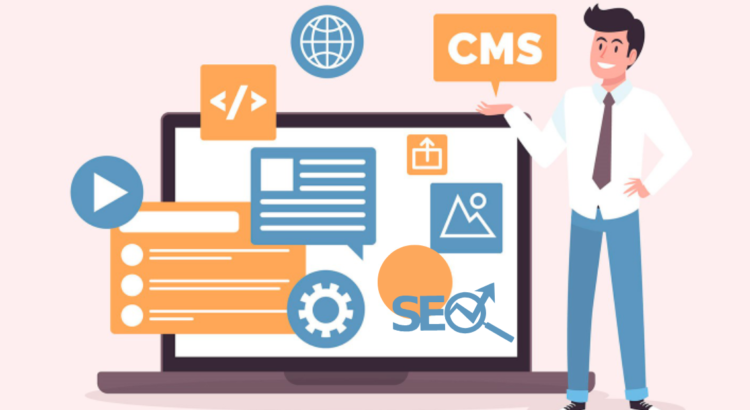
How a CMS Impacts Your Website’s SEO and Ranking

When it comes to improving your website’s visibility on search engines, most people think about keywords, backlinks, or page speed. But one factor that often goes unnoticed is your Content Management System (CMS). The CMS you choose -and how you use it -plays a huge role in shaping how well your site ranks on Google.

Your CMS isn’t just a platform to upload and edit content. It influences everything from site structure and page speed to mobile optimization and metadata management. If your CMS is not SEO-friendly, even the best content strategy may struggle to perform.

Let’s understand how your CMS can make or break your SEO efforts, and what you can do to make the most of it.

1. Website Structure and URL Management

A clean, logical structure is the foundation of SEO. A good CMS helps you organize your pages and categories properly so that both users and search engines can navigate your website easily.

For example, a CMS that allows you to create SEO-friendly URLs (like /services/website-design instead of /index.php?id=123) gives search engines clear context about your pages. Most modern CMS platforms -such as WordPress, Drupal, or Joomla -offer custom URL structures and redirects that keep your site well-organized.

If your CMS doesn’t let you customize URLs or automatically generates long, unreadable links, it could confuse search engines and hurt rankings.

2. Page Speed and Performance

Google has made it clear -website speed directly affects SEO rankings. A CMS with too many plugins, unoptimized themes, or poor caching options can slow your site down drastically.

An optimized CMS, on the other hand, provides built-in tools for caching, minification, and image compression. Platforms like WordPress have plugins such as WP Rocket or LiteSpeed Cache that can enhance performance in just a few clicks.

Always remember: a faster site not only ranks higher but also keeps visitors engaged longer -which improves dwell time, another indirect ranking signal.

3. Mobile Optimization

In today’s world, mobile-first indexing is the norm. Google primarily evaluates the mobile version of your website to determine rankings. That’s why your CMS must support responsive design out of the box.

A mobile-friendly CMS automatically adjusts your site layout for different screen sizes and ensures images, buttons, and text remain accessible on smartphones and tablets. Many modern CMS platforms also offer AMP (Accelerated Mobile Pages) integration for faster mobile performance.

If your CMS doesn’t adapt well to mobile devices, it can negatively impact user experience and push your rankings down.

4. Metadata and On-Page SEO Control

Your CMS should allow easy editing of important SEO elements such as title tags, meta descriptions, image alt text, and header tags. These are crucial for communicating your content’s purpose to search engines.

The best CMS platforms give you full control over these fields without needing to code. For example, WordPress users can install plugins like Yoast SEO or Rank Math to manage on-page SEO effortlessly.

Having the flexibility to edit metadata at both page and post levels ensures your content is always optimized for the right keywords and topics.

5. Content Creation and Management

SEO thrives on consistent, high-quality content. A CMS makes it easier to publish, schedule, and update content regularly. With features like WYSIWYG editors, media libraries, and version control, content teams can collaborate smoothly without depending on developers.

Moreover, a CMS that supports structured content (using schema markup or custom fields) can help search engines better understand your data, improving chances of appearing in rich snippets or featured results.

In short, a CMS that simplifies content creation helps maintain an active, SEO-friendly website.

6. Security and Technical SEO

Security may not seem like an SEO factor at first glance, but it has a direct impact. Google prioritizes HTTPS-enabled, secure websites. If your CMS is outdated or lacks strong security plugins, your site becomes vulnerable to hacks and malware -which can lead to de-indexing or ranking penalties.

A strong CMS provides regular security updates, two-factor authentication, and SSL integration. It also supports XML sitemaps, canonical tags, and robots.txt customization, which are key technical SEO elements.

When your CMS handles these technical aspects efficiently, your site remains both safe and search-friendly.

7. Integration with SEO Tools and Analytics

Modern SEO requires data-driven insights. A CMS that integrates smoothly with tools like Google Analytics, Google Search Console, and schema generators helps you track performance and make informed improvements.

You should be able to view analytics dashboards, keyword performance, and crawl reports directly from your CMS or through connected plugins. This integration ensures your SEO team can identify issues quickly and fine-tune your strategy without switching platforms repeatedly.

8. Scalability and Growth

As your business grows, your CMS should grow with you. Adding new service pages, blog sections, or landing pages shouldn’t compromise performance or SEO.

A scalable CMS supports modular design, database optimization, and content caching, allowing your site to handle higher traffic without downtime. This flexibility ensures your SEO rankings remain stable even as you expand your digital footprint.

Conclusion

Your CMS does far more than just manage content -it shapes how search engines perceive your website. From site speed and mobile responsiveness to structured data and technical SEO, every element depends on how well your CMS is configured.

At Razorse Software, we help businesses build SEO-friendly websites with powerful CMS solutions that drive traffic, engagement, and rankings. Our development approach focuses on speed, scalability, and search performance -ensuring your brand stands out on every platform.

#RazorseSoftware #CMSDevelopment #SEO #DigitalMarketing #WebsiteOptimization #SearchRankings

How to Optimize CMS Performance for High-Traffic Websites

A website that loads slowly can instantly turn away visitors, hurt conversions, and even impact search rankings. When traffic scales up -whether from marketing campaigns, seasonal spikes, or business growth -even small inefficiencies in your CMS (Content Management System) can lead to sluggish performance. Optimizing your CMS for high-traffic websites ensures stability, speed, and scalability -the three key ingredients of a seamless digital experience.

Here are some practical ways to improve your CMS performance and keep your website running smoothly, even when the traffic shoots up. 

1. Choose the Right Hosting Environment

Your CMS is only as good as the server it runs on. Shared hosting might be affordable but often lacks the resources to handle large traffic surges. Instead, consider:

  • Dedicated or VPS Hosting: Offers isolated resources that guarantee performance.
  • Cloud Hosting (AWS, Azure, GCP): Enables auto-scaling so your site adapts to sudden spikes in visitors.
  • CDN Integration: A Content Delivery Network distributes your content across multiple servers worldwide, reducing latency and improving global load times.

For high-traffic sites, pairing your CMS with a cloud-based, load-balanced hosting infrastructure is the most efficient solution.

2. Enable Caching at Every Level

Caching is the backbone of high-performance CMS systems. It minimizes the need to regenerate content dynamically for every request. There are multiple layers of caching you can implement:

  • Page Caching: Saves entire HTML pages, making them instantly available for repeat visitors.
  • Object Caching: Stores frequently used database queries or code objects in memory.
  • Browser Caching: Allows users’ browsers to store static assets (like CSS, JS, and images), reducing repeat load times.

CMS platforms like WordPress, Drupal, and Joomla offer excellent caching plugins or modules (like WP Super Cache, W3 Total Cache, or Varnish integration) that can be configured easily.

3. Optimize Your Database

As your website scales, the database can become a bottleneck if not maintained properly. Here are some ways to keep it lean and fast:

  • Regular Cleanup: Remove old revisions, spam comments, and unused metadata.
  • Indexing: Ensure frequently queried columns are properly indexed for faster lookup.
  • Use a Separate Database Server: For large-scale sites, isolating the database improves both security and performance.
  • Query Optimization: Analyze slow queries using tools like MySQL’s slow query log and optimize them for efficiency.

Databases that are well-structured and regularly maintained can handle millions of requests without choking under pressure.

4. Compress and Optimize Media Files

Heavy images and videos are among the biggest culprits of slow load times. To fix this:

  • Compress images using tools like TinyPNG or CMS plugins that automate compression.
  • Use next-gen image formats like WebP for superior compression without quality loss.
  • Implement lazy loading so images load only when a user scrolls to them.
  • Host large video files on external platforms (like YouTube or Vimeo) and embed them rather than hosting locally.

Optimized media can dramatically improve load times without compromising the visual appeal of your site.

5. Use a Content Delivery Network (CDN)

A CDN caches your static assets (HTML, CSS, JavaScript, images, etc.) across multiple servers worldwide. When a user visits your website, the content is served from the closest geographical location -cutting down on latency.

Popular CDNs like Cloudflare, Akamai, or Amazon CloudFront also protect against DDoS attacks and provide performance analytics. Integrating a CDN with your CMS ensures your website performs consistently, regardless of where your visitors come from.

6. Minify CSS, JavaScript, and HTML

Every extra space, comment, or line in your code adds to file size. By minifying these files, you reduce load time significantly:

  • Combine multiple CSS and JS files into single bundles.
  • Use CMS plugins (like Autoptimize or Fast Velocity Minify) to automate this process.
  • Defer non-essential JavaScript to prevent it from blocking page rendering.

This simple optimization step can shave precious milliseconds off your page load speed -which can make a big difference for users on slower connections.

7. Implement Load Balancing

High-traffic websites often face uneven distribution of requests. Load balancers help by distributing incoming requests evenly across multiple servers.
This not only ensures that no single server gets overwhelmed but also provides redundancy -if one server fails, another picks up automatically.
Cloud platforms make it easy to implement load balancing with minimal configuration and maximum uptime.

8. Monitor Performance Continuously

Optimizing once isn’t enough. Continuous monitoring helps detect new bottlenecks as your site evolves.
Use tools like:

  • Google PageSpeed Insights for page-level recommendations.
  • GTmetrix or Pingdom for detailed performance reports.
  • New Relic or Datadog for server-level and application performance monitoring.

Tracking these metrics ensures you can address issues proactively before they affect user experience.

9. Update Regularly but Cautiously

CMS updates often include performance and security improvements, so keeping your system and plugins up to date is vital. However, major updates can occasionally cause compatibility issues.
Always test updates in a staging environment before applying them to the live site. This balance between innovation and stability is crucial for high-traffic sites.

10. Optimize Your CMS Theme and Plugins

Not all themes and plugins are built with performance in mind. A bloated theme or outdated plugin can slow down the entire site.

  • Use lightweight themes that focus on speed and efficiency.
  • Deactivate and delete any plugins not in use.
  • Choose plugins from trusted developers that are updated regularly.

Every plugin you add introduces code that affects loading time -so quality always beats quantity.

Conclusion

A high-performing CMS isn’t built overnight. It’s the result of ongoing optimization, testing, and tuning. By combining the right hosting environment, caching, CDN, optimized media, and smart coding practices, your website can deliver a seamless experience even during massive traffic surges.

At Razorse Software, we specialize in developing high-performance, scalable, and SEO-optimized CMS solutions that help brands handle traffic spikes effortlessly. Whether you’re running a corporate portal or a large e-commerce platform, our team ensures your digital experience stays fast, reliable, and secure -every time.

#RazorseSoftware #CMSOptimization #WebsitePerformance #WebDevelopment #DigitalTransformation

From Token Slips to Smart Kiosks: Evolution of Queue Management Technology!

Standing in long queues has always been one of the least enjoyable parts of our daily lives. Whether at a bank, hospital, government office, or retail store, waiting has traditionally been seen as a necessary inconvenience. Over the years, however, technology has completely reshaped how organizations handle queues and customer flow. What once started with paper token slips has now evolved into smart kiosks, mobile apps, and AI-powered systems designed to make waiting shorter, smoother, and in many cases, almost invisible.

The story of queue management is not just about reducing waiting times-it’s about transforming customer experience. Businesses have realized that the way they manage queues directly affects how customers perceive their brand. The evolution of this technology reflects both a growing demand for convenience and the rise of digital solutions that prioritize efficiency.

The Early Days: Paper Token Slips

In the beginning, queue management was manual and fairly simple. Visitors arriving at a service counter would collect a small paper slip with a number printed on it. This system introduced some fairness by ensuring people were served in the order they arrived, but it was far from perfect. Tokens were easy to lose, announcements were often unclear, and there was little visibility for customers about how long they would have to wait. For businesses, managing these paper slips was inefficient, offering no data or insights into customer flow.

Electronic Display Systems

The next phase saw the introduction of electronic display systems. Instead of relying on verbal announcements, businesses used LED screens or boards to show token numbers being served at different counters. This was a significant step forward. Customers could relax without constantly worrying about missing their turn, and the experience felt more organized. For organizations, it provided a more professional image, though the systems were still limited to displaying numbers and required manual updates from staff.

The Arrival of Digital Queue Systems

With the rise of computers in the 1990s and 2000s, queue management systems began to go digital. Instead of paper slips, electronic machines generated tokens that were linked to software. This allowed businesses to track wait times, measure customer flow, and even assign visitors to specific counters based on service needs. Data collection entered the picture, enabling managers to identify peak hours and allocate resources more effectively. For customers, it meant more structured queues and shorter waiting times.

Touchscreen Kiosks and Self-Service

The introduction of touchscreen kiosks marked a turning point. These kiosks allowed customers to select the service they needed upon arrival, automatically routing them to the correct counter or department. For example, in a hospital, patients could choose between general consultation, lab tests, or billing services. This helped streamline operations and ensured that customers didn’t have to waste time standing in the wrong line.

Self-service kiosks also improved personalization. By asking for basic details at the point of check-in, businesses could create a smoother experience and capture valuable information about customer behavior.

Mobile Apps and Remote Queueing

As smartphones became widespread, mobile-based queue management gained popularity. Customers could now book a slot or join a queue virtually using their phone before even arriving at the location. Apps could provide real-time updates, notify users when their turn was approaching, and reduce physical crowding in waiting areas.

This shift proved especially valuable during the COVID-19 pandemic, when minimizing physical contact became a priority. Virtual queueing allowed businesses to maintain social distancing while still offering efficient service. For customers, it provided flexibility and reduced the frustration of waiting in crowded spaces.

Smart Kiosks and AI Integration

Today, we’re witnessing the rise of smart kiosks powered by artificial intelligence, machine learning, and cloud technology. These kiosks go beyond issuing tokens-they analyze customer demand, predict waiting times, and even offer multilingual support. In some industries, kiosks are integrated with facial recognition or biometric verification for seamless check-ins.

AI-driven queue systems can dynamically allocate staff based on real-time demand, ensuring no counter remains underutilized. For example, in a busy bank branch, if the system notices an increasing queue for loans, it can reassign available staff from other services to balance the load.

Smart kiosks also support omnichannel integration, linking physical queues with online bookings, mobile apps, and even chatbots. Customers can interact with businesses across multiple touchpoints while still enjoying a unified and efficient experience.

The Future of Queue Management

Looking ahead, queue management is likely to become even more personalized and predictive. With the help of big data, businesses will be able to forecast peak times with high accuracy and prepare resources in advance. AI will allow systems to recognize repeat customers, understand their preferences, and tailor services accordingly.

Virtual and augmented reality may also play a role in creating interactive waiting experiences, turning downtime into an opportunity for engagement. Combined with IoT devices, we could see fully automated, contactless queue management becoming the norm across sectors.

Final Thoughts

The journey from simple paper slips to advanced smart kiosks highlights how far queue management technology has come. What was once a basic system to maintain order has transformed into a sophisticated solution that enhances customer satisfaction, streamlines operations, and provides businesses with actionable insights. In 2025 and beyond, organizations that adopt smart queue management systems will not only reduce waiting times but also deliver experiences that keep customers coming back.

At Razorse Software, we understand how technology shapes customer experiences. By embracing innovations like smart kiosks and AI-powered systems, businesses can stay ahead of the curve and build lasting trust with their users.

#QueueManagement #SmartKiosks #CustomerExperience #DigitalTransformation #RazorseSoftware

Scaling Your Mobile App Globally: Localization Best Practices

As the mobile app market becomes increasingly competitive, businesses are realizing that launching an app in just one language or region limits their true growth potential. With over 6.9 billion smartphone users globally, the opportunity to reach new markets is massive. However, scaling your app internationally is not as simple as translating the interface-it requires a strategic, user-centric approach known as localization.

At Razorse, we help companies unlock global markets by implementing smart, scalable localization strategies. In this blog, we’ll walk you through the best practices to effectively localize your mobile app and maximize global success.

1. Build with Internationalization (i18n) in Mind

Before you even think about launching in other countries, your app should be built for international readiness. This process-known as internationalization (i18n)-ensures your app can easily adapt to different languages and regions without needing major structural changes.

Some key internationalization tips:

  • Use Unicode (UTF-8) to support multiple character sets and languages
  • Avoid hardcoding text-store all user-facing content in separate resource files
  • Design flexible UI layouts that can accommodate longer text (e.g., German or Finnish)
  • Support right-to-left (RTL) languages like Arabic or Hebrew

By designing with scalability in mind, you eliminate friction when it’s time to localize.

2. Go Beyond Translation

One of the biggest misconceptions is that localization is just about translating words. In reality, it’s about creating an authentic, culturally relevant experience for each market. This means capturing tone, context, and cultural nuance.

For example, while English-speaking users might appreciate a casual, friendly tone, a more formal tone may resonate better with users in Japan or Germany.

Best practices for translation:

  • Use professional human translators or native speakers familiar with app terminology
  • Avoid automated tools like Google Translate for critical user-facing content
  • Ensure contextual accuracy-“Save” could mean saving a document or money, depending on usage
  • Test translations for idiomatic accuracy and regional dialect differences

A Spanish translation may work for Spain, but users in Argentina or Mexico may prefer localized terminology.

3. Respect Cultural Norms and Design for Diversity

Localization extends to visuals, symbols, gestures, and even colors. What looks appropriate in one culture may be confusing-or even offensive-in another. For example:

  • The color white symbolizes purity in Western countries, but mourning in some Asian cultures
  • A thumbs-up icon may be positive in the U.S. but offensive in parts of the Middle East
  • Calendar formats, currencies, and units of measurement vary significantly by region

To make your app culturally sensitive:

  • Localize all visual assets, including banners, icons, and onboarding illustrations
  • Use locale-specific formatting for dates, times, phone numbers, and currencies
  • Be aware of local regulations, such as data privacy laws like GDPR in Europe

Providing users with an experience that feels local-not foreign-builds trust and boosts retention.

4. Localized App Store Optimization (ASO)

Your app’s success depends on visibility. That means optimizing your app store presence for each target market through localized App Store Optimization (ASO).

Tips for effective localized ASO:

  • Translate your app name, subtitle, and description using keywords specific to that region
  • Use region-relevant screenshots and promotional videos
  • Encourage reviews and ratings from local users to boost regional credibility
  • Monitor performance metrics and keyword trends by country

For example, a fitness app that ranks well for “weight loss” in the U.S. may need to target “fat burning” or “body shaping” in Japan to achieve the same visibility.

5. Test Rigorously in Each Locale

Before a global rollout, it’s crucial to test your app in each new region to ensure the localized version works flawlessly. This goes beyond standard QA and includes:

  • Linguistic testing – checking for grammar, context, and correct tone
  • UI/UX testing – ensuring layouts still work with longer or RTL text
  • Functional testing – verifying app performance across local networks, devices, and OS versions

Consider running a soft launch or beta test with users from each region to gather real-world feedback. This can reveal cultural missteps, usability issues, or bugs that automated tools may miss.

6. Offer Localized Customer Support

A localized app experience must be supported by localized customer service. If users encounter issues or have questions, they expect help in their own language. Offering multilingual support channels via in-app chat, email, or help centres builds credibility and loyalty.

If providing full support in all languages isn’t feasible, start by localizing support for your top-performing regions and expand as needed.

7. Plan for Continuous Localization

Localization is not a one-time project. Your app will evolve, and so should your localized content. Whether you’re launching new features, updating content, or rebranding, ensure that all updates are reflected across every localized version of the app.

Adopt a continuous localization workflow using translation management tools that integrate with your development pipeline. This helps maintain consistency while reducing time to market for updates.

Final Thoughts

Going global with your mobile app is no longer optional-it’s a strategic growth imperative. But global reach means local relevance. With the right localization strategy, you can transform your app into a truly global product that speaks to users in their language, culture, and context.

At Razorse, we specialize in helping businesses scale seamlessly across borders. Whether you’re expanding into one new market or many, our expert team can guide you through every step-from localization planning to execution and optimization.

Let’s localize smart, scale fast, and make your app feel at home-everywhere.

#MobileAppLocalization #GlobalAppGrowth #AppScaling #ASO #LocalizationStrategy #Razorse #ScaleWithRazorse #AppDevelopment #GoGlobalWithRazorse