24/7 Support : info@razorse.com | WhatsApp : +91-7011221090

Customer Loyalty Initiatives in the Food, Grocery, and Beverage Sectors

In today’s highly competitive market, customer loyalty is more than just a buzzword; it’s the vital component of success for businesses in the food, grocery, and beverage sectors. With consumers having a plethora of options at their fingertips, companies are continually striving to implement innovative strategies to retain their customers and foster long-term relationships. Let’s explore into some of the most effective customer loyalty initiatives shaping the landscape of these industries.

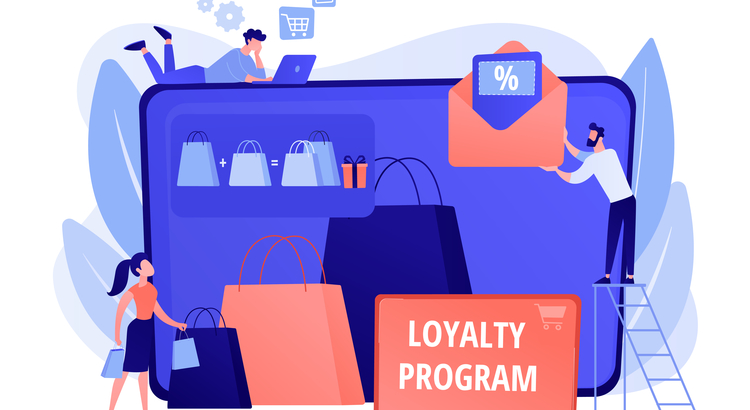
Loyalty Programs with Personalized Rewards: Leading food, grocery, and beverage companies are investing in sophisticated loyalty programs that offer personalized rewards tailored to individual preferences and purchasing behaviours. By leveraging data analytics and customer insights, businesses can create targeted promotions, discounts, and rewards that resonate with their loyal patrons, fostering a sense of exclusivity and appreciation.

Seamless Digital Experiences: In an era dominated by digitalization, brands are prioritizing seamless online and mobile experiences to enhance convenience and accessibility for their customers. From user-friendly mobile apps for ordering groceries or food delivery to personalized recommendations based on past purchases, companies are leveraging technology to streamline the customer journey and reinforce loyalty.

Social Responsibility and Sustainability: Increasingly, consumers are gravitating towards brands that align with their values, particularly in areas of social responsibility and sustainability. Food, grocery, and beverage companies are implementing initiatives such as ethically sourced ingredients, environmentally friendly packaging, and charitable partnerships to appeal to conscientious consumers and foster loyalty based on shared values.

Experiential Marketing and Community Engagement: Beyond transactions, companies are focusing on building emotional connections with their customers through experiential marketing and community engagement initiatives. From hosting cooking classes and tasting events to sponsoring local community projects, brands are creating memorable experiences that go beyond the product, fostering a sense of belonging and loyalty among their customer base.

Enhanced Customer Service and Feedback Mechanisms: Exceptional customer service has always been a cornerstone of customer loyalty, and businesses in these sectors are investing in training their staff to deliver personalized, attentive service that exceeds expectations. Moreover, companies are actively soliciting feedback from customers through surveys, reviews, and social media channels, using this input to continually improve their products and services and demonstrate responsiveness to customer needs.

In conclusion, customer loyalty initiatives in the food, grocery, and beverage sectors are evolving to meet the changing preferences and expectations of today’s consumers. By embracing innovation, personalization, and social responsibility, companies can cultivate lasting relationships with their customers, driving long-term success and growth in an increasingly competitive marketplace.
Why the Right Loyalty Program App Is the Key to Success

In today’s competitive business landscape, retaining customers and fostering loyalty is a paramount goal for any successful enterprise. The advent of technology has brought about a transformative shift in how businesses approach customer loyalty, with the right loyalty program app emerging as a key player in this strategy.

The Power of Loyalty Programs: Loyalty programs have evolved from simple punch cards to sophisticated mobile applications, revolutionizing the way businesses engage with their customer base. The fundamental principle remains the same – rewarding customers for their loyalty. However, it is the transition to digital platforms that has elevated the effectiveness of these programs.

Seamless Customer Engagement: A well-designed loyalty program app ensures seamless customer engagement. Customers can easily sign up, track their rewards, and redeem them through a user-friendly interface. This accessibility enhances the overall customer experience, fostering a positive relationship between the brand and its patrons.

Personalization and Data Insights: The right loyalty program app goes beyond basic transactions; it delves into customer preferences and behaviour. By leveraging data analytics, businesses can gain valuable insights into individual customer habits, allowing for highly targeted and personalized rewards. This level of personalization not only enhances customer satisfaction but also contributes to increased sales and customer lifetime value.

Building Emotional Connections: Successful loyalty programs are not just about discounts; they are about building emotional connections. A well-crafted loyalty app provides a platform for businesses to communicate directly with their customers, conveying appreciation and creating a sense of exclusivity. This emotional bond can significantly impact brand loyalty and advocacy.

Boosting Customer Retention: The cost of acquiring a new customer far exceeds the cost of retaining an existing one. A loyalty program app acts as a powerful retention tool by incentivizing customers to stick with a brand. The ongoing rewards, exclusive offers, and personalized experiences serve as compelling reasons for customers to remain loyal over the long term.

Enhancing Brand Visibility: A loyalty program app not only retains customers but also amplifies a brand’s visibility. The digital nature of these programs allows for effortless social sharing, turning loyal customers into brand advocates. Positive word-of-mouth generated through these programs can attract new customers, creating a cycle of growth and success.

Adaptability and Innovation: The business landscape is dynamic, and the right loyalty program app evolves with it. Whether through incorporating gamification elements, introducing tiered rewards, or integrating with emerging technologies, a flexible loyalty app adapts to changing market trends. This adaptability ensures that businesses stay ahead in the competition and continue to delight their customers.

In conclusion, the right loyalty program app is not just a tool: it’s a strategic investment in customer loyalty and business success. By seamlessly engaging customers, personalizing experiences, and fostering emotional connections, businesses can unlock the full potential of loyalty programs in the digital age. The key to success lies in choosing and implementing an app that aligns with the brand’s objectives and resonates with its customer base.

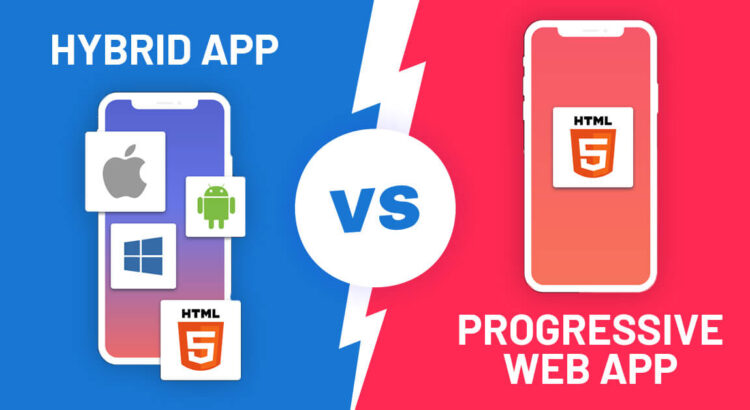
Progressive Web App (PWA) vs Hybrid App Development (HAD)

In the ever-evolving landscape of mobile app development, businesses face the pivotal decision of choosing the right approach to deliver an exceptional user experience. Two prominent contenders in this arena are Progressive Web Apps (PWAs) and Hybrid App Development (HAD). Let’s delve into the nuances of each to help you make an informed decision for your next app project.

Progressive Web Apps (PWAs):

PWAs represent a cutting-edge approach that blurs the lines between traditional websites and native applications. These web applications leverage modern web capabilities to deliver an app-like experience directly through a web browser. Key features of PWAs include:

Cross-Platform Compatibility: PWAs are designed to work seamlessly across different platforms and devices, eliminating the need for separate development for iOS and Android. This cross-platform compatibility simplifies maintenance and reduces development costs.

Offline Functionality: One of the standout features of PWAs is their ability to function offline. Through the use of service workers, PWAs can cache important assets, allowing users to access certain features even when they are not connected to the internet.

Responsive Design: PWAs prioritize responsive design principles, ensuring that the user experience remains consistent across various screen sizes. This adaptability contributes to improved user engagement and satisfaction.

Hybrid App Development (HAD):

Hybrid App Development, on the other hand, involves creating a single codebase that can run on multiple platforms. This is achieved by wrapping the code within a native shell, allowing it to function like a native app. Key features of HAD include.

Cost-Effectiveness: HAD is often considered a cost-effective solution due to the ability to reuse a significant portion of the code across different platforms. This can result in reduced development time and lower expenses compared to building separate native apps.

Native Features Integration: Hybrid apps can seamlessly integrate native device features, offering a user experience similar to that of native apps. This integration allows developers to access device capabilities like the camera, GPS, and push notifications.

Faster Development Time: The single codebase approach expedites the development process, enabling businesses to bring their apps to market faster. This can be a crucial factor in industries where time-to-market is a competitive advantage.

Choosing the Right Path:

Ultimately, the choice between PWA and HAD depends on various factors, including the specific requirements of your project, budget considerations, and the desired user experience. While PWAs offer an unparalleled level of accessibility and offline functionality, Hybrid App Development may be a more pragmatic choice for businesses aiming to balance cost-effectiveness with native-like capabilities.

In conclusion, the PWA vs. HAD debate underscores the diverse options available in the mobile app development landscape. Understanding the unique strengths and trade-offs of each approach is essential to making an informed decision that aligns with your business goals and user expectations.

The Importance of Retail Loyalty Programs in Today’s Competitive Market

In today’s fast-paced and hyper-competitive retail landscape, businesses are constantly searching for effective strategies to retain customers and stand out from the crowd. One powerful tool that has proven its worth in fostering customer loyalty is the implementation of retail loyalty programs. These programs not only offer customers tangible benefits but also contribute significantly to a brand’s long-term success.

In an era where consumers have endless options at their fingertips, building a loyal customer base has become a strategic imperative for retailers. Loyalty programs serve as a mutually beneficial bridge between customers and businesses, creating a win-win situation. Customers enjoy exclusive perks, discounts, or rewards, while retailers gain a devoted and repeat customer base.

One of the primary advantages of retail loyalty programs is the ability to incentivize repeat business. Customers are more likely to return to a store where they feel appreciated and receive added value for their patronage. Loyalty programs provide that extra incentive, whether through points-based systems, discounts, or exclusive access to promotions, ensuring that customers choose a particular brand over competitors.

In addition to encouraging repeat purchases, loyalty programs enhance customer engagement. By collecting data on customers’ preferences and purchase behaviors, retailers can tailor personalized offers and recommendations, creating a more personalized shopping experience. This personalized approach not only makes customers feel valued but also increases the likelihood of them becoming brand advocates, recommending the business to friends and family.

Moreover, in the age of information, data is a goldmine for retailers. Loyalty programs provide invaluable insights into customer behavior, enabling businesses to make data-driven decisions. By analyzing purchasing patterns and preferences, retailers can optimize inventory, refine marketing strategies, and introduce new products that resonate with their target audience. This data-driven approach not only improves customer satisfaction but also boosts operational efficiency.

In an increasingly eco-conscious world, loyalty programs can also serve as a platform for retailers to showcase their commitment to sustainability. By offering eco-friendly incentives or supporting charitable causes, businesses can align their loyalty programs with socially responsible values, attracting customers who prioritize ethical consumption.

In conclusion, the importance of retail loyalty programs in today’s competitive market cannot be overstated. These programs go beyond mere discounts; they build lasting relationships with customers, foster brand advocacy, and provide a wealth of data for strategic decision-making. As retailers continue to navigate the challenges of a rapidly evolving market, loyalty programs remain a cornerstone for success, creating a symbiotic relationship where both customers and businesses thrive.

Drive repeat Sales with a loyalty program

In the dynamic landscape of business, where customer retention is as crucial as customer acquisition, loyalty programs emerge as invaluable tools. Beyond mere transactions, these programs are strategic initiatives that cultivate lasting relationships with customers. Let’s explore how implementing a loyalty program can significantly contribute to driving repeat sales and fostering a dedicated customer base.

Building Customer Engagement : A well-designed loyalty program enhances customer engagement by offering more than just discounts. It becomes a platform for personalized interactions, where customers feel valued. From special discounts on birthdays to exclusive previews of new products, these initiatives create a sense of belonging, transforming a transaction into a relationship.

Rewarding Loyalty : Loyalty programs are built on the principle of reciprocity. Customers who consistently choose a particular brand should be rewarded for their loyalty. Rewards can range from points-based systems to tiered memberships, each offering exclusive benefits. The more personalized and relevant the rewards, the stronger the bond between the customer and the brand.

Encouraging Repeat Purchases : By offering rewards for repeat purchases, loyalty programs provide a compelling reason for customers to return. Whether through points that lead to discounts or exclusive access to certain products, the program becomes a driving force for customers to choose a brand consistently.

Word of Mouth Marketing : Happy and loyal customers become brand advocates. When they benefit from a loyalty program, they are more likely to share their positive experiences with friends and family. This word-of-mouth marketing is one of the most effective ways to attract new customers. Loyalty programs, therefore, have a dual impact – retaining existing customers and bringing in new ones.

Data-Driven Personalization : Loyalty programs serve as rich sources of data. By analyzing customer preferences, purchase history, and engagement patterns, businesses can personalize offerings. Tailoring promotions and discounts based on individual preferences not only increases the effectiveness of the loyalty program but also deepens the connection with customers.

Adapting to Changing Customer Needs : Flexibility is key in loyalty programs. They should evolve to meet changing customer expectations and market trends. This adaptability ensures that the program remains relevant, continuing to engage customers over the long term.

Conclusion:
In conclusion, a well-crafted loyalty program is a strategic investment that goes beyond short-term sales boosts. It builds enduring relationships with customers, encouraging repeat sales, and fostering brand advocacy. By leveraging data and offering meaningful rewards, businesses can create a loyalty program that not only drives sales but also stands as a testament to their commitment to customer satisfaction.

Which one to choose Between Python And PHP

In the ever-evolving landscape of web development, selecting the right programming language is paramount. Two stalwarts, Python and PHP, often find themselves in the spotlight. Each has its strengths and use cases, making the choice between them a nuanced decision.

1. Python: Versatility and Readability:

Python’s readability and simplicity are legendary. It follows a clean and elegant syntax that resembles the English language, making it an excellent choice for beginners and seasoned developers alike. Python is a versatile language used for web development, data analysis, artificial intelligence, and more.

2. PHP: Web-Centric Powerhouse:

PHP has been a stalwart in web development for years. Its primary focus is server-side scripting, making it a go-to language for building dynamic websites. PHP seamlessly integrates with HTML, making it an accessible choice for developers working on server-side scripting for web applications.

3. Python: Thriving Ecosystem:

Python boasts a vast ecosystem of libraries and frameworks. Django and Flask are popular frameworks for web development, emphasizing rapid development and clean, pragmatic design. Python’s extensive libraries contribute to its versatility, with applications spanning domains from data science to web development.

4. PHP: Web Development Specialization:

PHP is a specialized language tailored for web development. It excels in handling server-side tasks, such as managing databases and processing form data. PHP frameworks like Laravel and Symfony facilitate efficient and structured web application development.

5. Python: Learning Curve:

Python’s learning curve is considered gentle, making it an ideal language for newcomers. Its straightforward syntax allows developers to focus on problem-solving rather than intricate language intricacies. This has contributed to Python’s popularity in educational settings.

6. PHP: Embedded in HTML:

One notable feature of PHP is its seamless integration with HTML. PHP code can be embedded directly into HTML, simplifying the process of creating dynamic web pages. This direct embedding is advantageous for developers working on server-side scripting.

7. Python: Data Science and AI:

Python’s prowess in data science and artificial intelligence is unparalleled. Libraries like NumPy, pandas, and TensorFlow have established Python as a primary language for data-centric applications. Its readability and extensive support make it a favorite in these domains.

8. PHP: Web Speed and Performance:

PHP excels in the execution of web-specific tasks. Its focus on web development allows it to offer excellent speed and performance for server-side operations, making it an efficient choice for building dynamic websites.

9. Python: Community and Support:

Python benefits from a vibrant and inclusive community. The community-driven development model ensures a constant influx of new ideas, libraries, and solutions. This collaborative ethos contributes to Python’s resilience and adaptability.

10. PHP: Legacy Systems and WordPress:

PHP remains a cornerstone in web development, especially for legacy systems. It is the backbone of platforms like WordPress, powering a significant portion of the web. PHP’s prevalence in legacy systems makes it a relevant skill for maintaining and upgrading existing applications.

In conclusion, the choice between Python and PHP hinges on the project’s requirements and the developer’s familiarity with each language. Python’s versatility and readability make it an excellent choice for a myriad of applications, while PHP’s specialization in web development positions it as a powerhouse for dynamic and server-side scripting. Ultimately, the right choice depends on the specific needs of the project, the development team’s expertise, and the broader ecosystem within which the language will operate.